05.26.2026
Career Tips
Pilot to Pilot: Career Advice for Acing the Next Step
By Paul Edney

Beyond the hours flown, every pilot’s logbook tells a story of persistence, mentorship, setbacks, and the decisions that shape a career over time. For many in the NGPA community, scholarships become one of those defining turning points, easing financial pressure while creating momentum.
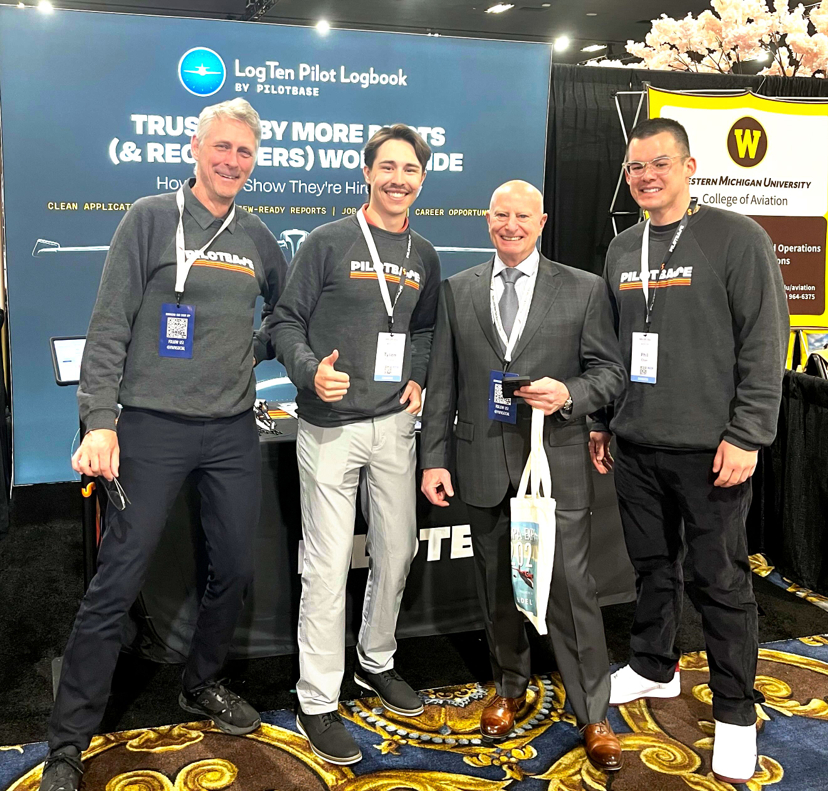
As a Platinum partner of NGPA, LogTen by Pilotbase contributes to that mission, supporting scholarships while helping pilots build habits that carry through an entire aviation career. From tracking experience to preparing for interviews and new opportunities, a well-kept logbook becomes part of the journey itself.
To better understand where that journey can lead, the LogTen by Pilotbase team spoke with past scholarship recipients, asking a simple question: where are you now and what advice would you give to the pilots coming behind you?
There’s no single path to the flight deck, but there are patterns, habits, and perspectives that consistently help pilots move forward, whether they’re applying for scholarships, building hours, or preparing for a dream job.
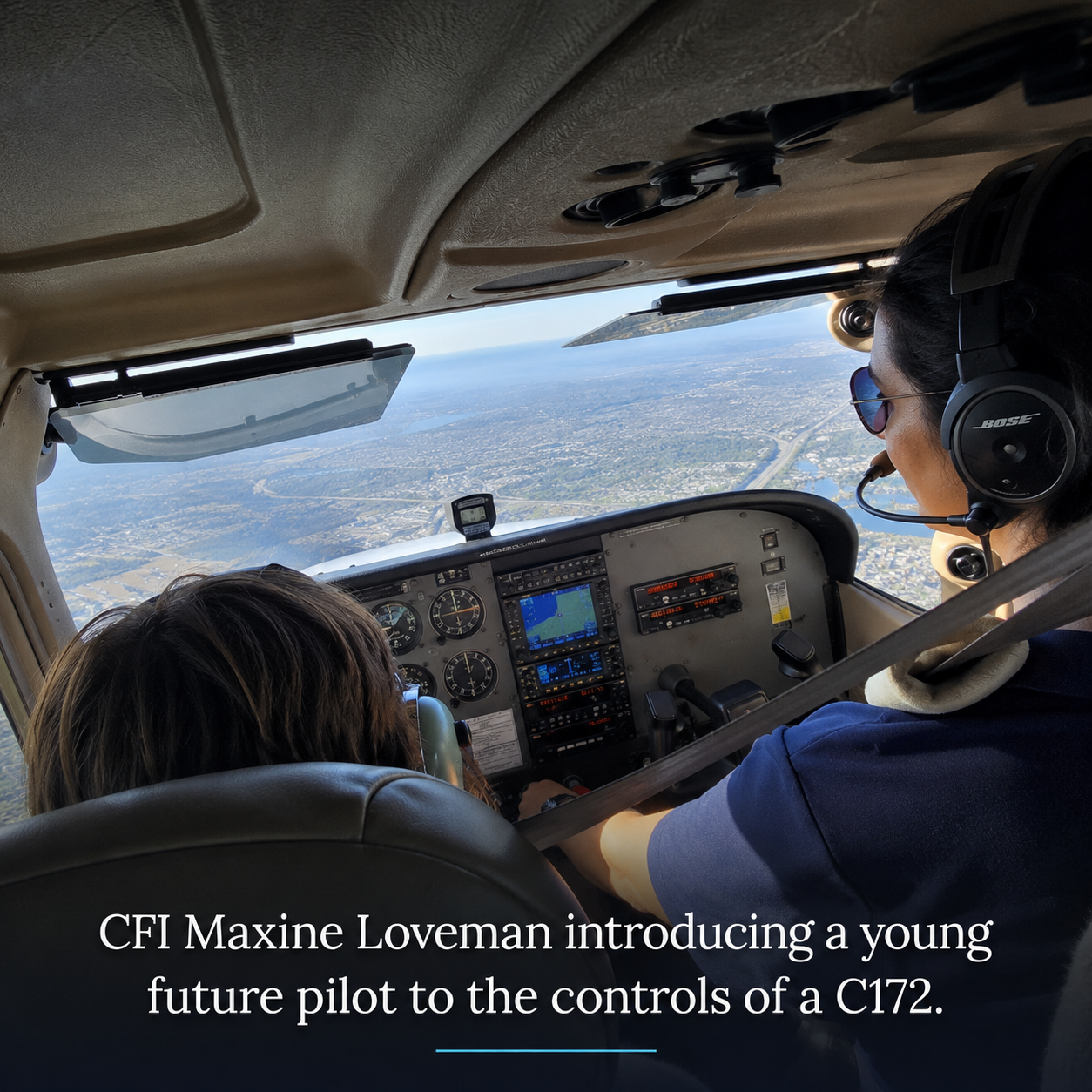
Maxine Loveman, a flight instructor with more than 900 hours, remembers sitting on her dad’s lap during flights. He was a nervous flyer, and explaining each sound and movement helped calm his fears. For Maxine, it had the opposite effect. Instead of anxiety, it sparked curiosity.
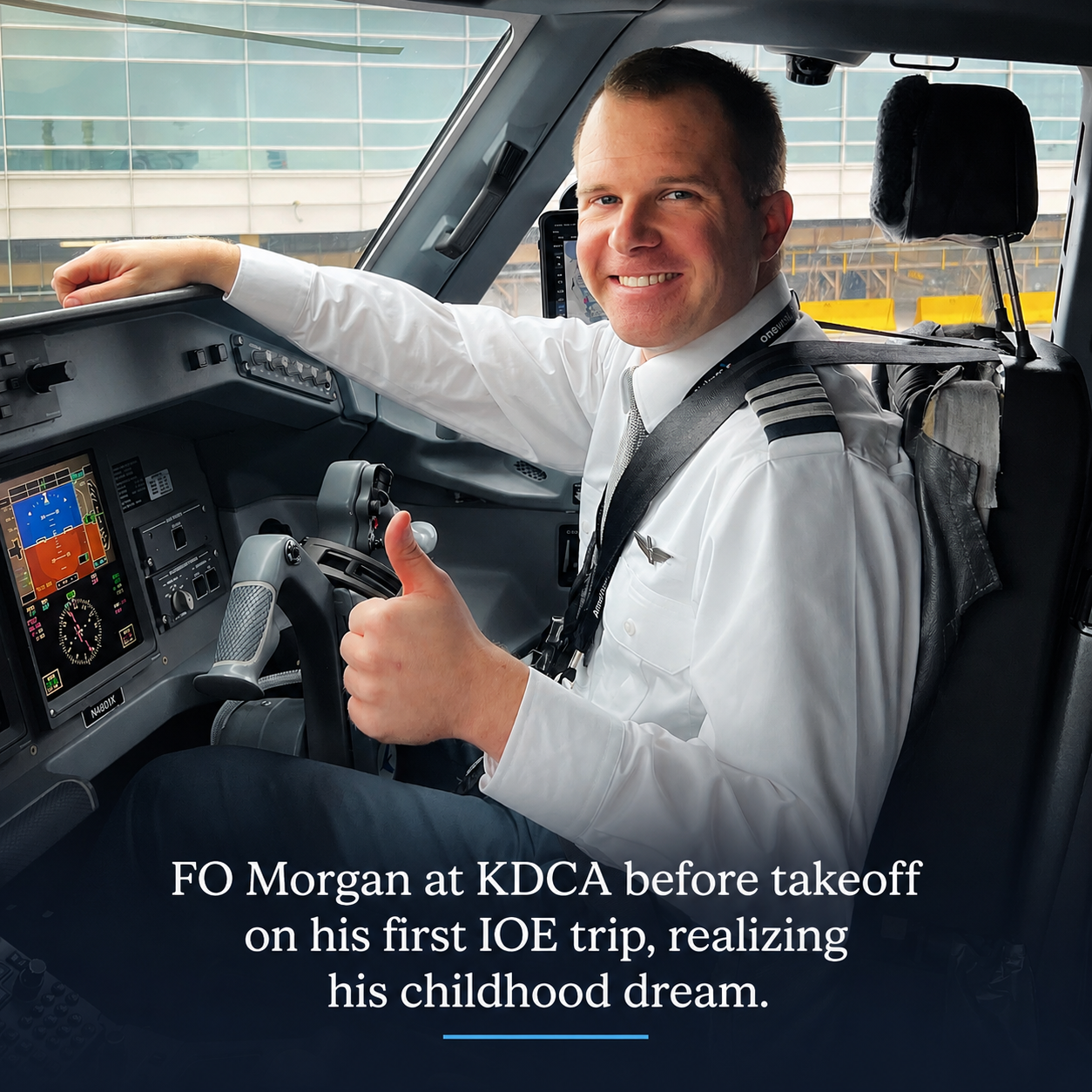
Cameron Morgan, soon to be a Captain at Envoy, still remembers standing near the gate as a kid and striking up a conversation with a pilot. After the flight, the pilot invited him forward to see the controls. “That moment right there was like, okay, this is what I want to do,” he said.
For Valarie Meyer, the fascination became hands-on early. Through a high school aviation program, she helped build a small experimental aircraft before learning to fly in it herself. “I didn’t even know what an aileron was and I was building one,” she recalled. Seeing the airplane come together, and then understanding what each part actually did, made aviation feel real.
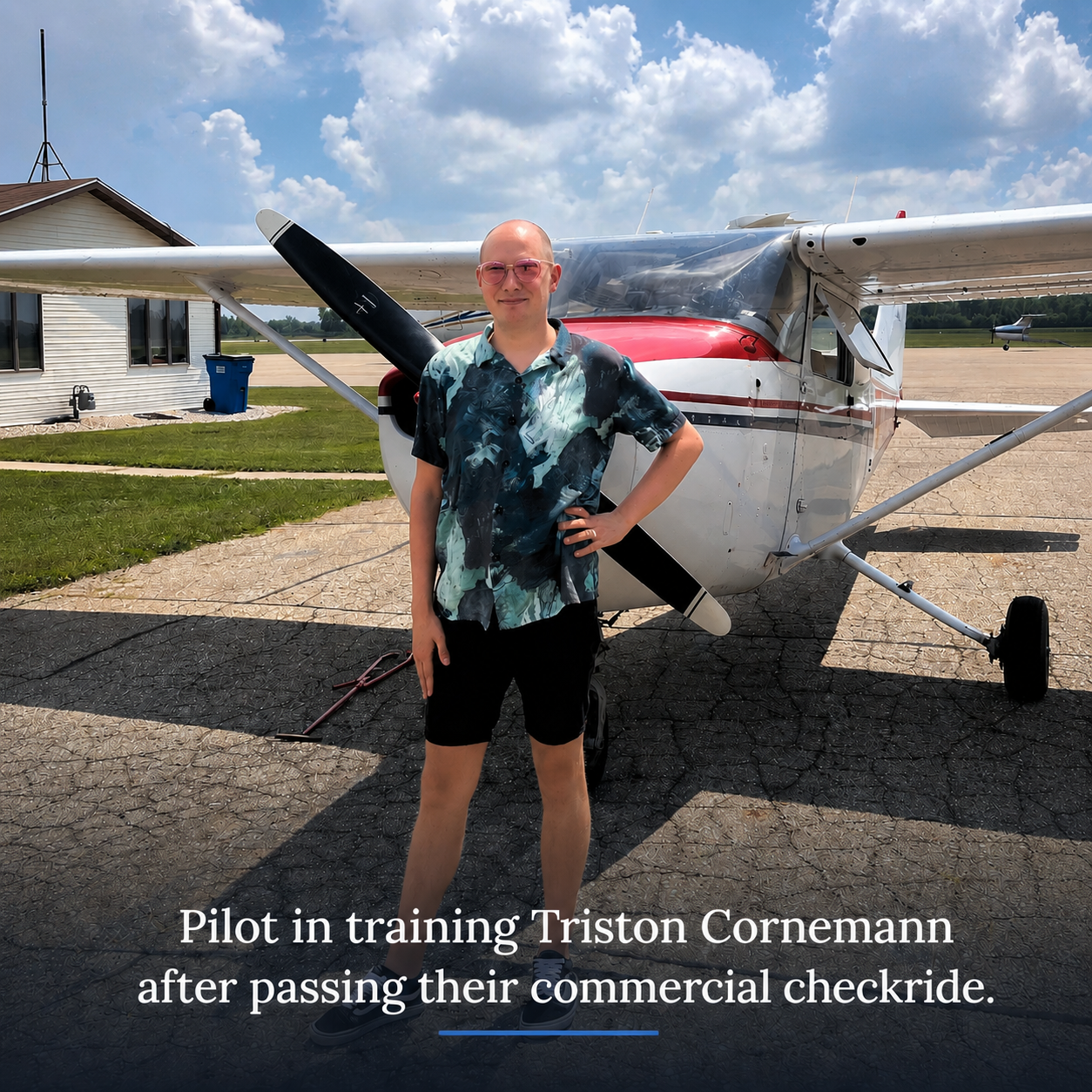
For others, the pull develops more gradually. Triston Cornemann, now with more than 225 hours logged, started in the cabin as a flight attendant. He was already immersed in the rhythm of aviation. “Piloting just felt like the next natural step.”
And for Alyssa Ciardiello, a First Officer at American Airlines, the fascination came from a detail many pilots will instantly recognize. Growing up near Dulles, she would plug her headset into the armrest (yes, that was once a thing), and listen to air traffic control chatter during flights. “I was fascinated by the whole process,” she said. “I decided early this is what I want to do.”
The stories are different, and that’s the point. There is no single path into aviation, and often, the experiences that make pilots stand out begin long before flight training does.
Ask any pilot about training, and finances are never far from the conversation.
“One of the most discouraging things is always worrying, ‘how am I going to pay for this?’” Alyssa said.
Scholarships help relieve that pressure, but what stood out in these conversations was their timing. Again and again, they arrived just when they were needed most.
For Cameron, the timing was decisive. Nearing the end of training, he had one final flight course left to complete. “It was the final push. I just needed to get through that last piece,” he explained.
For Alyssa, scholarships helped keep key ratings and training milestones moving forward when they might otherwise have stalled. Others described a similar effect, where the award did more than fund training; it reinforced that continuing was possible.
Of course, earning a scholarship takes effort, reflection, and a willingness to ask for feedback.
Maxine Loveman came to see that the application process itself can be just as important as the outcome. “You have to show your essays to your network. That’s how you win the hearts of the human beings who choose the winners,” they said.
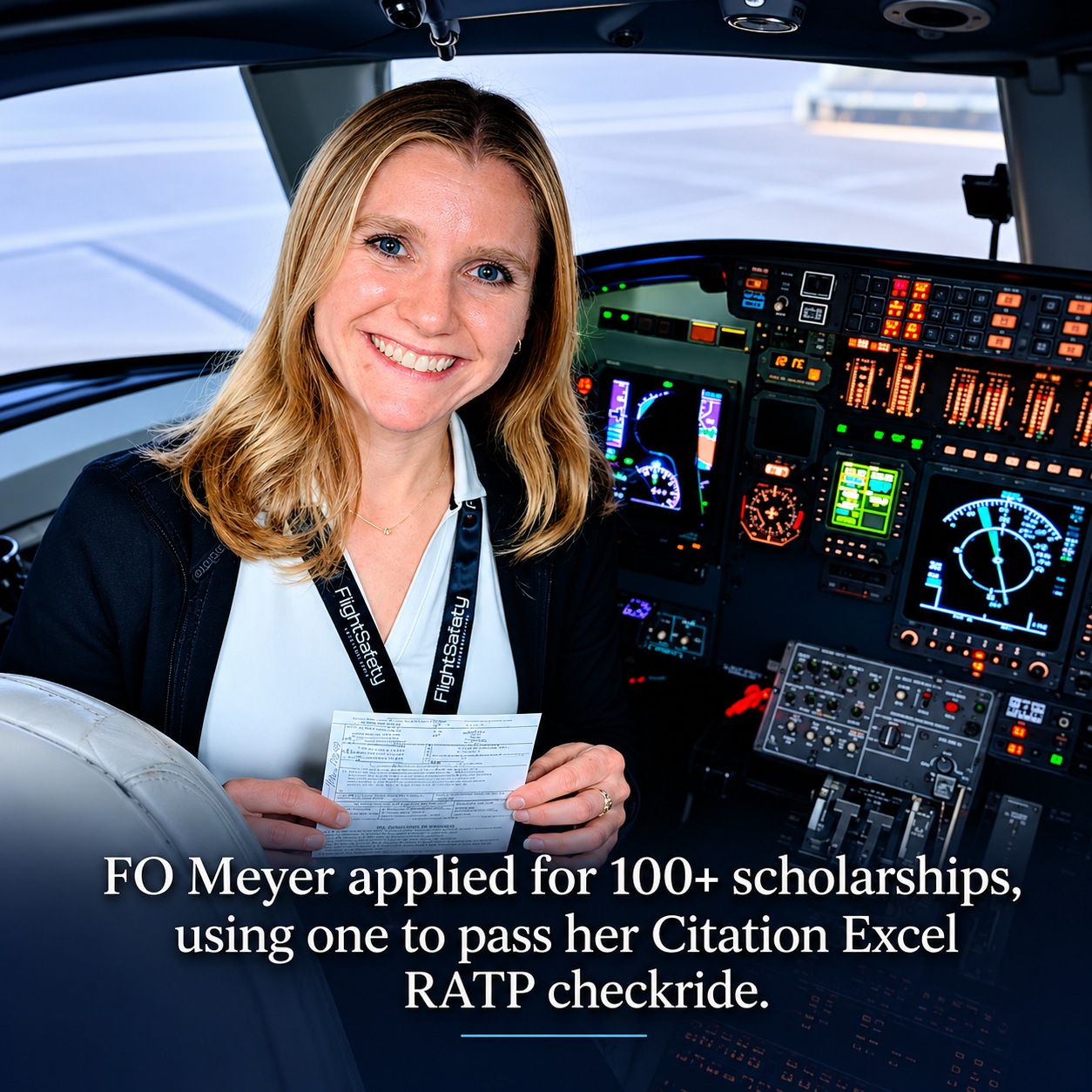
Part 135 pilot Valarie Meyer took that process to another level. Over three years, she applied for more than 100 scholarships and ultimately received 40.
Her advice is practical. “Apply everywhere and apply to everything,” she said. Rather than focusing only on the largest national awards, she encouraged applicants to pursue regional and community scholarships as well. “The smaller and more niche the scholarship, the easier it can be to win.”
While flying itself can feel individual, progress in aviation is rarely a solo effort.
“You can’t succeed alone. You need a community,” was a consistent refrain from every pilot we spoke with.
That community takes many forms, instructors who invest extra time, peers who share the same challenges, friends and family who offer support outside aviation, or connections made at events that later turn into opportunities.
Alyssa emphasized there is no need to wait to start building those relationships. “You’re never too inexperienced to start getting to know people.”
Often, those early conversations matter most, the ones that happen before a résumé feels ready or a logbook feels complete.
Valarie said many of her strongest industry connections began through scholarship and mentorship programs. She pointed to organizations like NGPA and WAI as ways to build those relationships early. “People like to help people,” she said. “Be willing to ask questions, even the ones that make you feel vulnerable.”
For Triston Cornemann, community became the difference between giving up and continuing. After being pushed out of a flight school for not progressing quickly enough, they began questioning whether becoming a pilot was really meant to happen. “It felt like I failed, when in reality, for the most part, I was failed,” they said.
Then, during what Triston jokingly called a “tear in my beer” moment at a local gay bar in Toledo, a bartender mentioned that her girlfriend was a flight instructor at Skywalker Aviation. Triston followed up, met instructor Lauren, and everything shifted. “She built my confidence so much,” they recalled. “She said, ‘Triston, you’re so knowledgeable… go take your checkride.’”
There is a point in every pilot’s training where progress becomes less about instruction and more about ownership.
Maxine Loveman described that transition in practical terms. “The moment you can free your ground knowledge from your instructor, that’s when success is in your hands.”
Sometimes, that growth shows up in small details. Looking back at her own training, one lesson that stuck with Maxine was simple: “rudder follows aileron input, not bank angle.” The kind of correction pilots immediately recognize, and one that signals a deeper understanding of how the aircraft actually behaves.
“You need your instructor to teach you how to fly,” she said, “but you don't need your instructor to dive into the POH or the regulations.”
For Valarie, that meant learning to study directly from the Airman Certification Standards. “It’s free, and it tells you exactly what you need to know,” she said. Rather than guessing what might appear on a checkride, she used the ACS as a roadmap to identify weak areas early and work through them systematically.
That mindset, learning how to learn, came up repeatedly in conversations with these pilots. Aviation training does not end with a checkride, type rating, or ATP certificate. The same habits that help someone succeed as a student pilot continue to matter later as an FO, Captain, instructor, or check airman.
As Maxine put it more simply: “Be undeniable.”
A successful professional career depends on consistency and discipline. A logbook is the perfect example.
“Log your flights as soon as you can. It’s another opportunity to debrief yourself,” Maxine advised.
Valarie agreed, noting that moving between logbook systems later in her career became far more complicated than starting with strong habits early. “I wish when I won a scholarship I had just started with a digital logbook and stuck with it,” she said.
Others pointed to similar patterns, staying organized, keeping records current, and focusing on incremental improvement rather than dramatic leaps.
Consistency, more than intensity, is what tends to carry pilots forward.
Flight training, especially in its early stages, can be more emotionally demanding than many expect.
There are long days, financial pressure, setbacks, and moments where progress feels painfully slow. Several pilots spoke openly about periods where they questioned whether they were capable of continuing at all.
After being removed from a flight school, Triston remembered going home devastated. “I cried,” they said plainly. “I thought maybe this just wasn’t meant for me.”
For Alyssa, part of the challenge was learning not to measure progress against everyone else around her. Early in training, it can feel like other students are soloing, passing checkrides, and building hours faster than you are.
The key, each pilot emphasized, is recognizing those moments are not signs that you do not belong. They are part of the process.
Valarie described the pressure differently, less as burnout during training and more as the cumulative stress that comes later in professional flying. Long duty days, weather deviations, maintenance delays, and constant schedule changes are all part of the reality.
But she also pointed to perspective as a coping tool. After a particularly difficult day flying through storms and delays, she and the Captain she was flying with looked out at the sky turning pink over distant thunderstorms and agreed: “Wouldn’t want any other office.”
Support systems, both inside and outside aviation, often make the difference.
There is a natural tendency to focus on how quickly milestones can be reached. Alyssa remembers that feeling well. “I was so focused on getting things done fast that sometimes I found myself making mistakes,” she said.
Over time, that perspective shifted. Reminding herself she does this job because it allows her to make a positive impression on others is what makes her a better pilot.
For Maxine, the highlight of the work is seeing progress in others. A favorite moment came as an instructor to a student one day. They were holding short, waiting for takeoff clearance, when ATC cleared another aircraft on a parallel runway. Without prompting, the student’s eyes tracked immediately to aircraft. That instinctive awareness was the signal: the student had truly become a pilot and was ready.
For Cameron, it is something even smaller, but no less meaningful. He now carries pilot wings in his flight bag, handing them out to kids who visit the flight deck, just as someone once did for him. “If I can give that moment to one little kid, I’ve paid it forward.”
The path to the flight deck is rarely straightforward, but scholarships can ease financial pressure, create momentum, and help pilots keep moving toward the next stage of their journey.
For those considering applying for an NGPA scholarship, the advice from past recipients is consistent. Apply, be honest in your application, and don’t hesitate to ask for guidance. And as a bonus, all NGPA scholarship applicants new to the LogTen Pilot Logbook app receive a complimentary year, helping you build the habits that support your progress and start a record that will help you advance throughout your whole aviation career.